
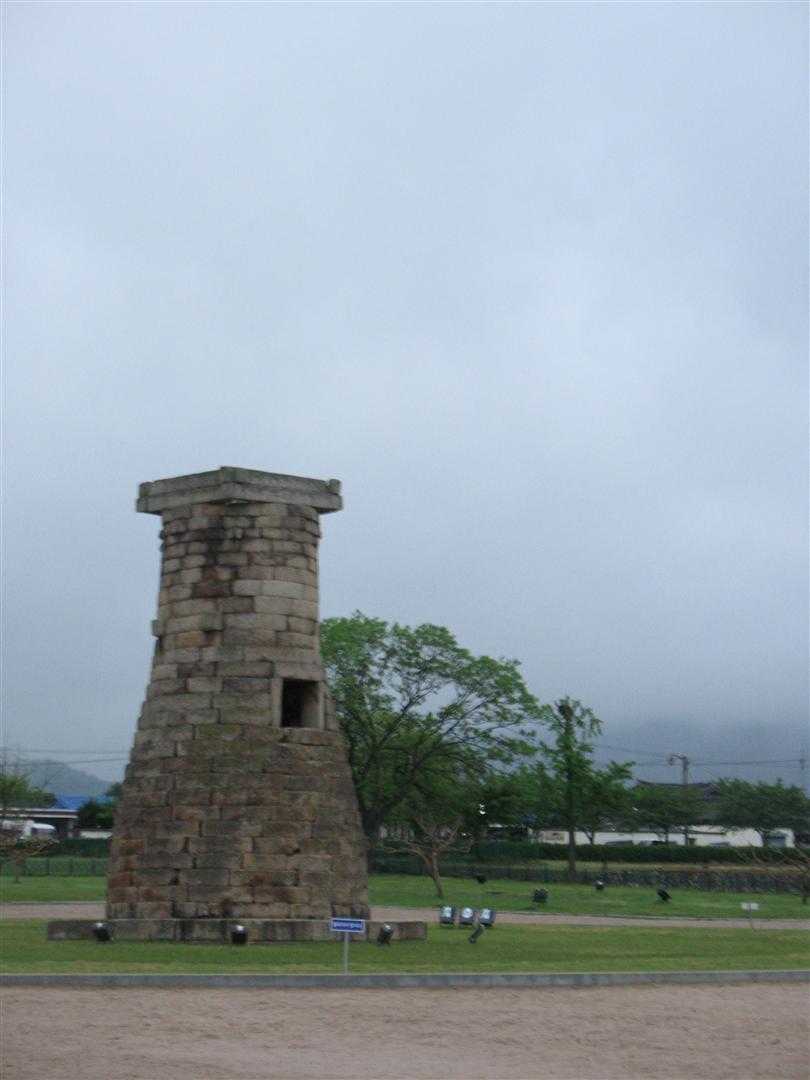
Cheomseongdae observatory in Gyeongju. Photograph: ProjectManhattan. Wikimedia Commons source · CC0. Web-size image supplied by Wikimedia Commons; reproduced without edits by Enlighten Chakra.

Travel guide · Sources checked 29 October 2026
Gyeongju’s historic sites reward a plan organised by area rather than a race between landmarks. UNESCO’s Gyeongju Historic Areas recognise the cultural achievements of the Silla period across five distinct areas. This is a suggested research-based itinerary, not a report of a personal visit.
Why two days help
UNESCO describes a concentration of Buddhist and secular heritage, including sculptures, pagodas, temple and palace remains, tombs and defensive sites. These are not all contained in one visitor compound. Two days let you select a coherent group of places and leave time to understand what you see.
Day one: royal history and an evening option
Use Daereungwon and the central historic area as the focus of your first day. VISITKOREA identifies the tomb complex as a window into Silla’s royal heritage. Before entering, check which areas are currently open and what interpretation is provided. Follow designated paths and do not treat burial mounds as walking shortcuts.
Keep the evening conditional
Donggung Palace and Wolji Pond are promoted by VISITKOREA for their evening setting. If this is important to you, confirm operating hours and the last admission for your date. Leave a meal break and a realistic transfer interval rather than assuming you can arrive immediately after another attraction closes.
Day two: choose a different area deliberately
Select a temple-focused outing or another heritage area according to your interests and mobility. VISITKOREA includes Bulguksa in its wider Gyeongju recommendations. It should not be confused with a promise that every named place belongs to the same UNESCO listing or sits within easy walking distance of the centre.
Avoid turning a regional route into a walking claim
The tourism organisation’s recommended course covers roughly 38 kilometres across several stops. It is not a compact city walk. Check individual transfers and decide whether a guided outing, public transport or another arrangement fits your day. We do not provide an unverified bus number, fare or transfer time.
Add interpretation rather than more stops
Look for current official guided-tour information and confirm language, meeting point and availability. One well-explained visit can be more useful than several hurried entries. If you prefer independent exploration, note a few questions from the site interpretation and use the museum or official resources to follow them up.
Before booking
Check individual opening days, admission, transport and accessibility requirements. Keep weather-sensitive walking optional and plan a simpler alternative. This guide intentionally does not guarantee night illumination, access to a particular tomb or availability of a guide on every date.
Sources: UNESCO heritage description and official tourism information. The visit sequence is our editorial suggestion; confirm live arrangements before travel.
Continue exploring our travel guides or itinerary research services.
Leave a Reply