
Source checked 5 November 2026. NASA ended Swift’s science operations in October 2026 after nearly 22 years in space. Its lasting contribution was making it easier to follow an explosion while the evidence was still changing.
From alert to follow-up
Gamma-ray bursts can be brief, but some leave an afterglow that can be studied at other wavelengths. Swift was built to detect a burst and turn quickly so its other instruments could look in the same direction. That gave astronomers a chance to study an event soon after the first flash and share its position for follow-up.
How to read the mission’s final updates
The end of science operations and atmospheric re-entry are separate milestones. NASA’s mission-end update describes the former. Its subsequent re-entry post gives a forecast. Use a separately confirmed observation if you need the actual re-entry time.
What the mission leaves for astronomers
NASA says Swift observed more than 2,000 gamma-ray bursts and more than 1,400 supernova explosions across its mission. Its usefulness came from following short-lived events quickly: an initial high-energy alert could prompt additional observations by Swift and other facilities before an afterglow faded. Scientists can still revisit the archived measurements and images after the observatory’s science operations end.
Update checked 5 November 2026: NASA’s 2 November announcement forecast atmospheric re-entry for 4 November, with a substantial uncertainty window. A forecast is not confirmation of the actual time or location. This article does not claim to verify re-entry. Consult the NASA Swift mission updates for subsequent official confirmation.
NASA mission legacy and archive · NASA forecast, 2 November · Subscribe to future source-linked science explainers.
Original source · More in this journal.
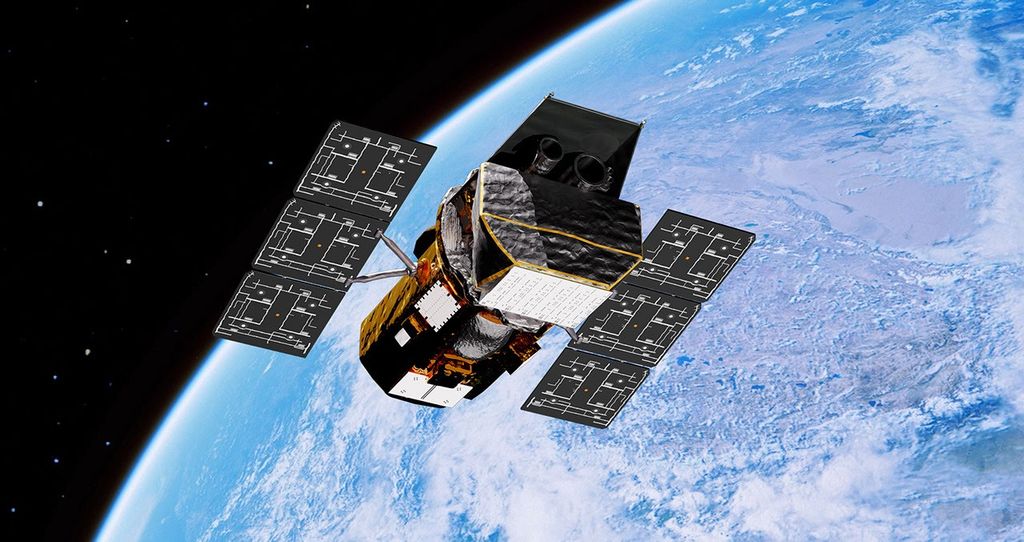
Featured image: NASA artist’s concept of the Neil Gehrels Swift Observatory, credited to NASA’s Goddard Space Flight Center. Official NASA source. Illustration of the spacecraft, not an image of the re-entry event.
Leave a Reply